Our story
From a mixed farm to a grain farm to something new.
Ali-Härri farm sits on 88 hectares in Kuusjoki, Southwest Finland. In January 2025, we took over operations and began returning it to diverse, regenerative production. This is how we got here.
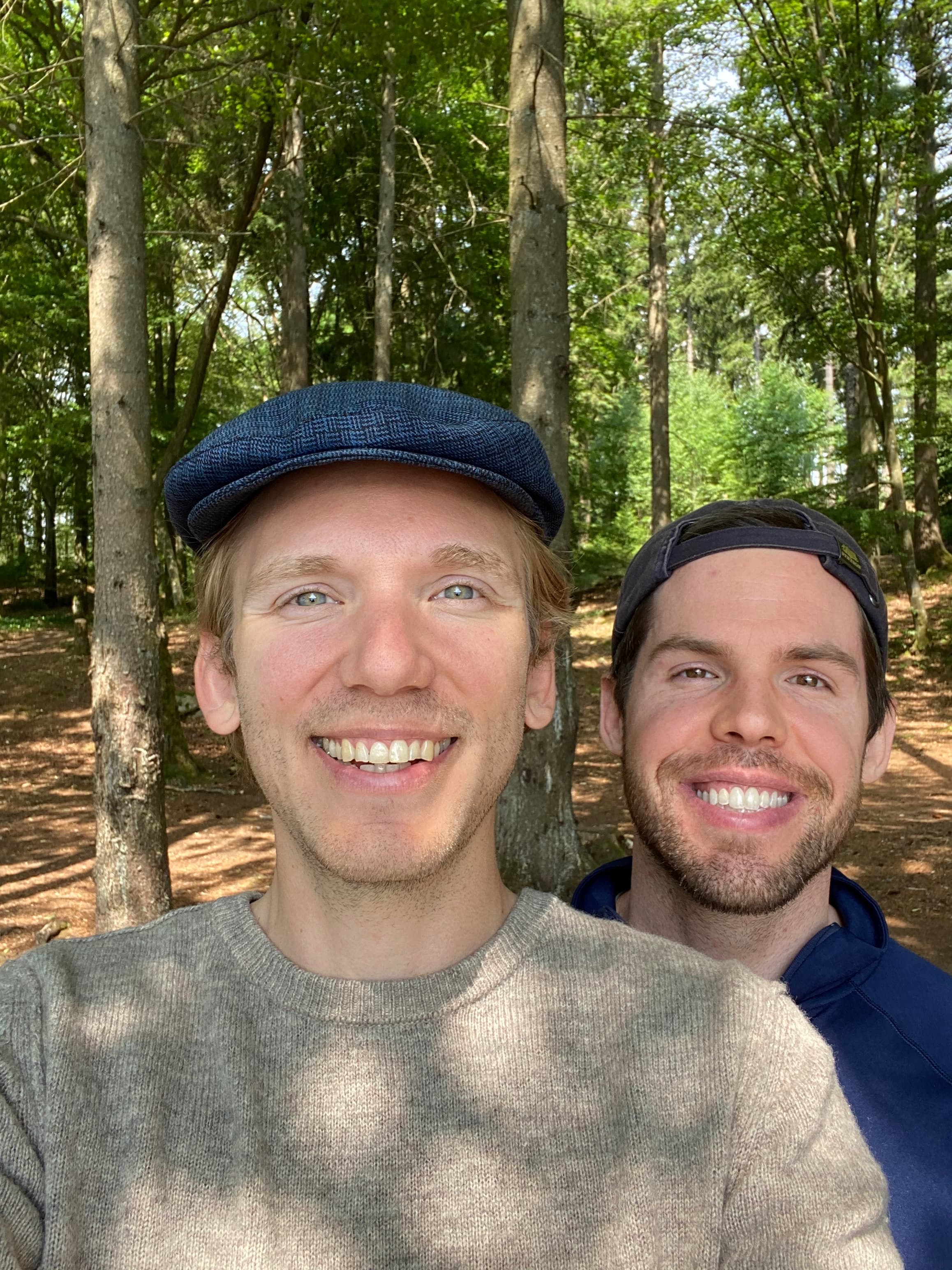
Ali-Härri
The farm behind Wiberg's
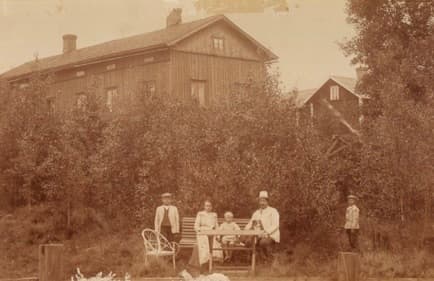
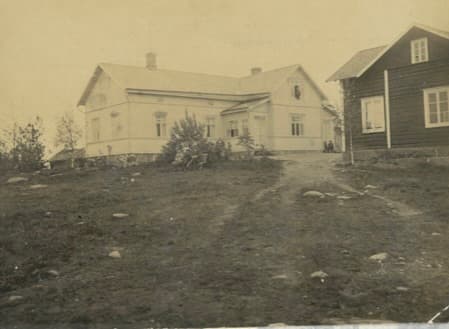
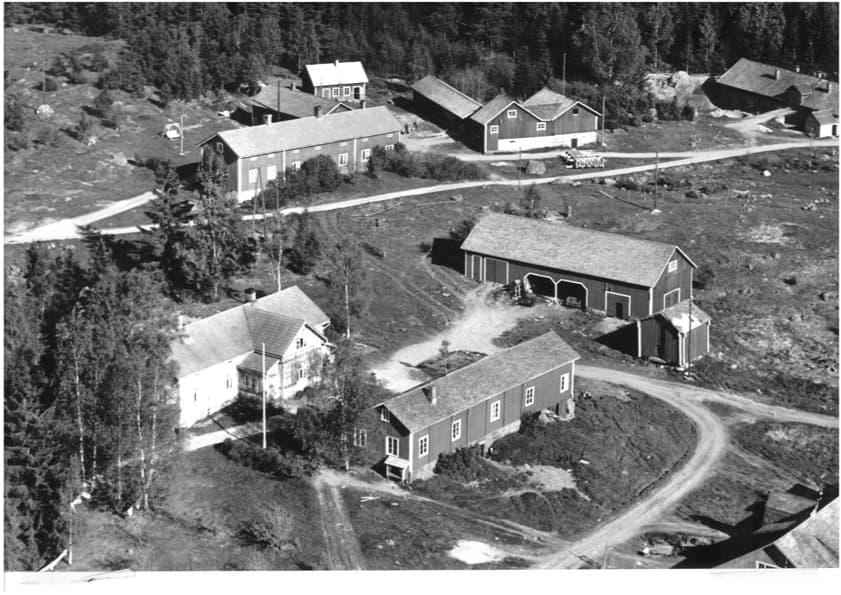
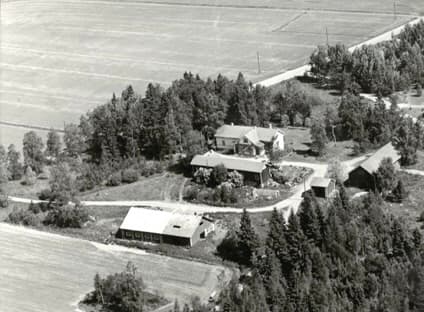
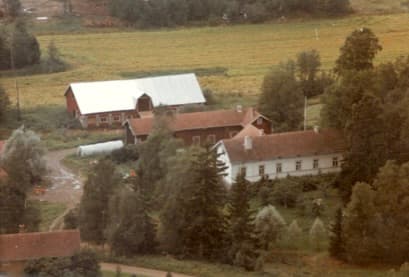
The house at Ali-Härri was built in the 18th century and originally served as an inn. Karl and Johanna Wiberg bought the land in 1873. Over time, the family took the farm's name — Härri, from Ali-Härri — and the Wiberg name was left behind. Generations later, we brought it back as the name for our brand selling farm products directly to consumers.
A 1930s agricultural register records what Ali-Härri looked like in its diverse era: 5 horses, 20 cows, 1 bull, 15 pigs, 7 sheep, and 25 chickens. Alongside the livestock, the farm grew cereals, potatoes, and hay. Diversity was the operating logic. The farm fed the household, employed people from the village, and sold its surplus to the local dairy cooperative. It worked because everything was connected.
That diversity didn't last. Across Finland and much of Europe, post-war agricultural policy pushed farms toward specialisation. Mixed farms gave way to monocultures. Ali-Härri followed the same path.
Under Antti and Liisa Härri, Johannes' parents, the farm focused on grain production for nearly four decades. They invested in the infrastructure the farm needed: a grain dryer, silos, a machine hall. They kept the farm running through the 1990s depression and through decades of stagnating grain prices. We're grateful for their efforts, and we don't take it lightly.
Antti retired in 2020. Since then, the fields have been managed by a neighbouring organic cattle farmer, who grew grain followed by hay for silage. When we took over in January 2025, the land had been free of synthetic fertilisers and pesticides for five years. We intend to keep it that way.
Two paths
Before there was a "we"

Johannes Wiberg Härri
Johannes grew up on this farm. He drove the tractor during spring planting and ran the combine at harvest. He learned the rhythms of the seasons and experienced both the rewards and the difficulties of farming life. Becoming a farmer wasn't the obvious path. He left Kuusjoki for a student exchange in Sweden, and that exchange year turned into over a decade abroad. He worked in municipal and regional government, managing elections and emergency preparedness.
But the connection to Ali-Härri never fully went away. Johannes has always been drawn to the peacefulness of the forest and to the question of how to care for this particular piece of land while keeping it productive for the next generation. Gradually, the pull grew stronger. Now, he's back.
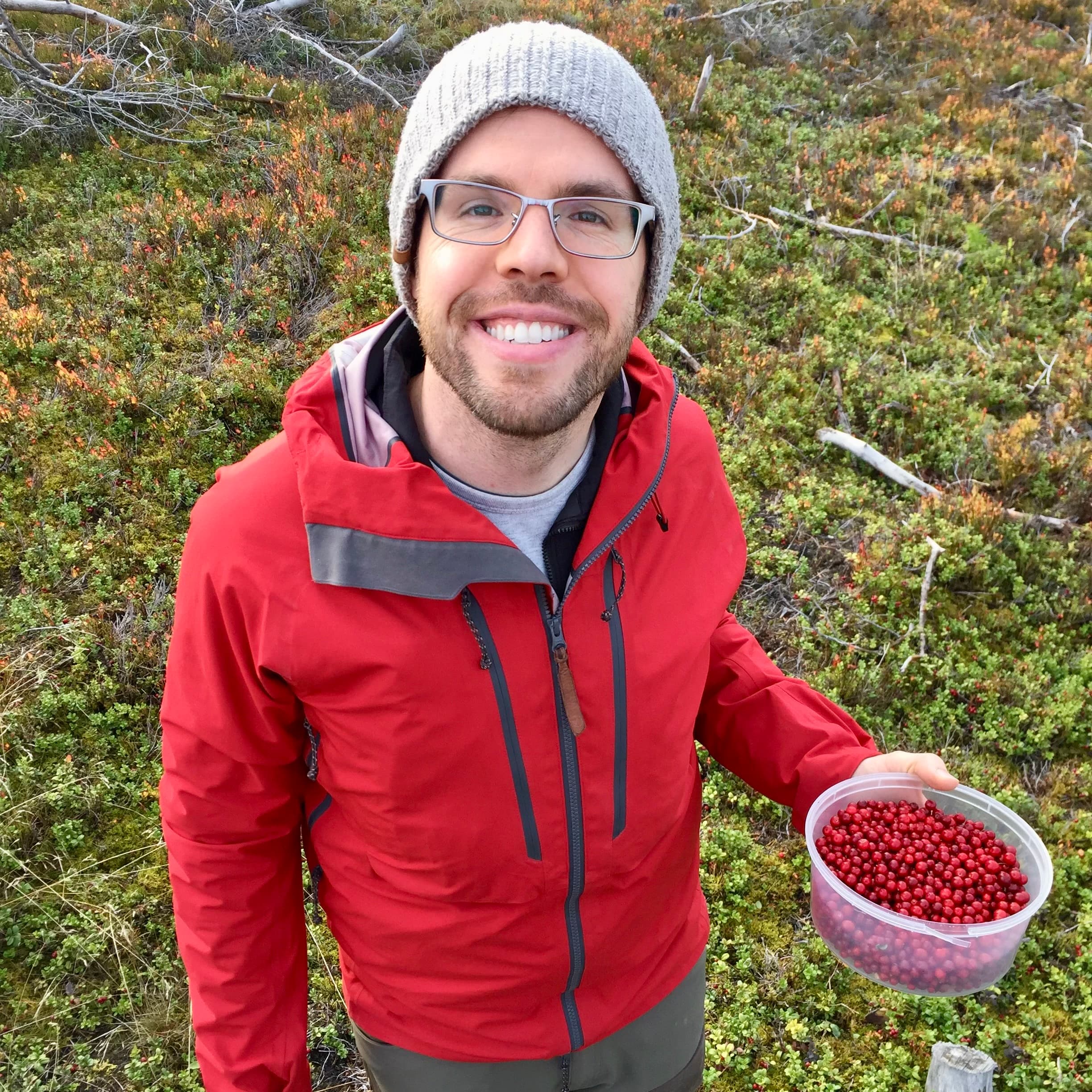
Steven Curtis
Steven grew up spending much of his time outdoors in the Rocky Mountains and the red rock desert of the Western United States. High school in Wisconsin, then a bachelor's degree in meteorology from Penn State. In 2013, he moved to Sweden to study at Lund University.
He stayed for a decade. A PhD in sustainable business models within the circular economy, then work as a Pedagogical Developer at Lund University. He co-hosted the podcast "Advancing Sustainable Solutions," translating academic research for a general audience. Academia wasn't working. After ten years of researching sustainability, he needed to put it into practice, working with the land and his hands.
Finding each other
From a first date to a first season
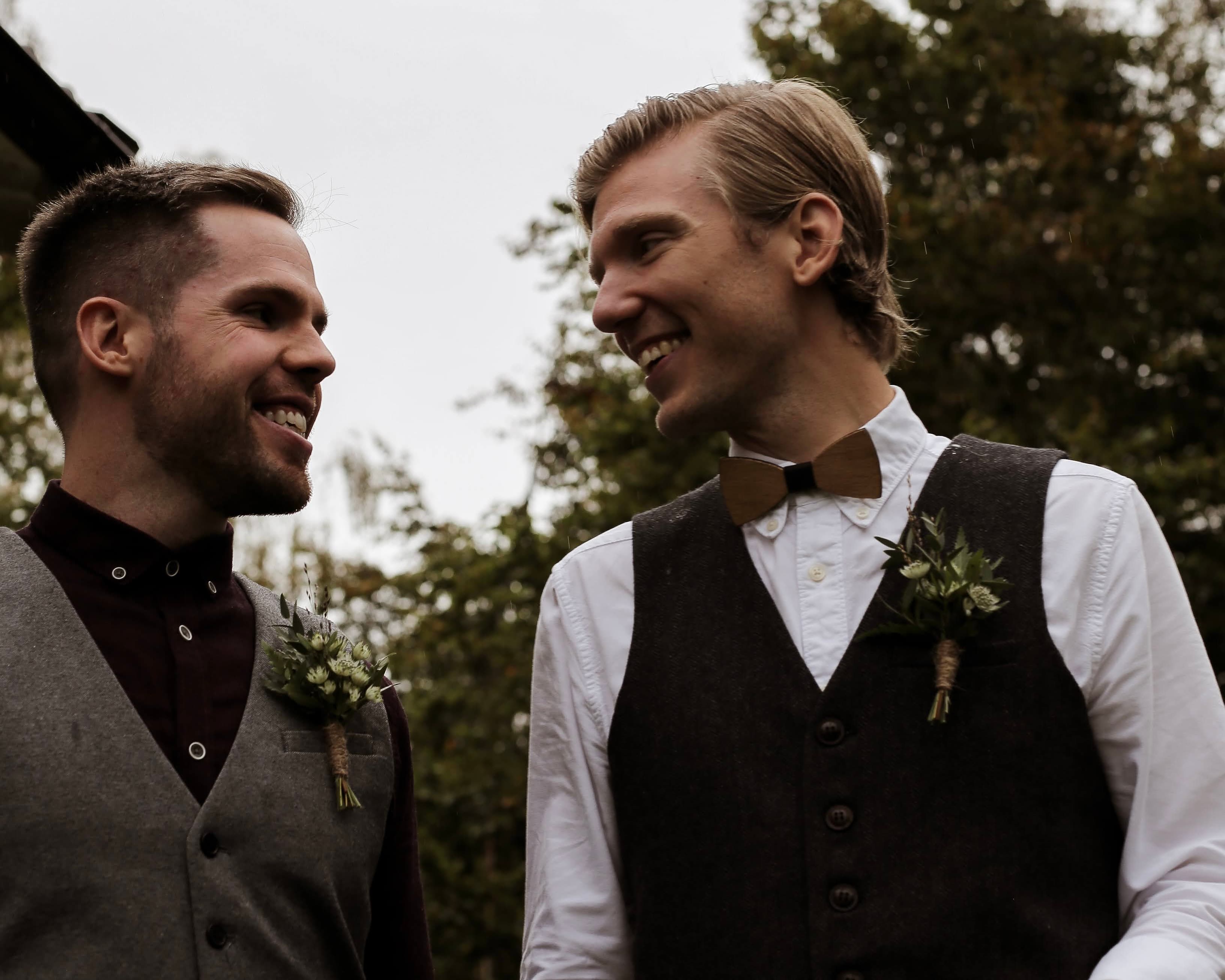
We met on Tinder while living in Malmö, Sweden. Early on, we talked about farming. We'd both watched "The Biggest Little Farm" and saw in it something we wanted: a diverse, regenerative farm run professionally, connected to a community, and ambitious in its approach. We wanted to show what farming could look like for the next generation.
In 2020, we married and bought a small homestead in Småland, Sweden. For a few years, we experimented. Apple and pear trees. A kitchen garden. Potatoes stored in the earth cellar all winter long. We learned to precultivate seedlings indoors to lengthen the growing season, to compost, and how much work weeding actually is. We also learned the joy of the harvest. And that we were capable of more.
When the opportunity came to take over Ali-Härri, the decision was not difficult. The land had history. The infrastructure was there. And we were ready.


Coming home
January 2025
We took over Ali-Härri in January 2025. The fields were quiet under snow. The barns were waiting. We walked the land with a notebook and a soil probe and started planning.
We're not returning the farm to 1930. But we are returning to the operating principle that a farm works best when it's diverse, integrated, and rooted in its community. The difference is that we now have ecological frameworks, measurement tools, and data that the previous generations didn't.
We joined Climate Farmers as one of twelve transition farms. During 2026, we've partnered with agronomist Julian Kuntzsch to understand our land and plan regenerative practices. This also gives us access to Climate Farmers' Regenerative Agriculture Outcome Measurement system, which tracks our ecological outcomes as we go. We're measuring what we do and reporting what we find. If it works, we'll show you. If it doesn't, we'll say that too.
Our first season of production is 2026. It starts with pastured eggs and community. In the years ahead we plan to add vegetables, heritage cattle, and fruit trees. Each enterprise will support the others. What grows here feeds the community.
This is the next chapter. We're glad you're here for it.