
Our forest
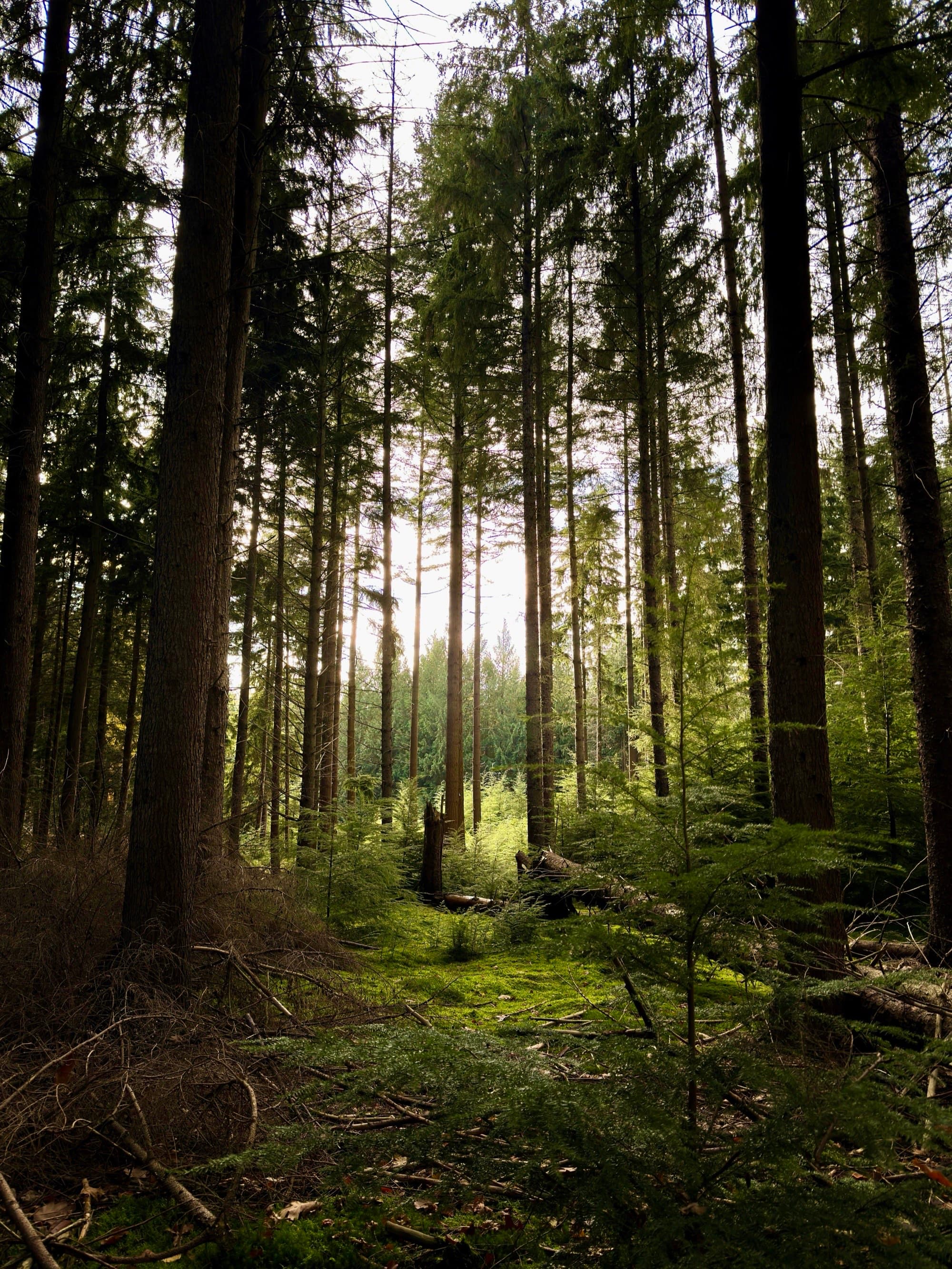
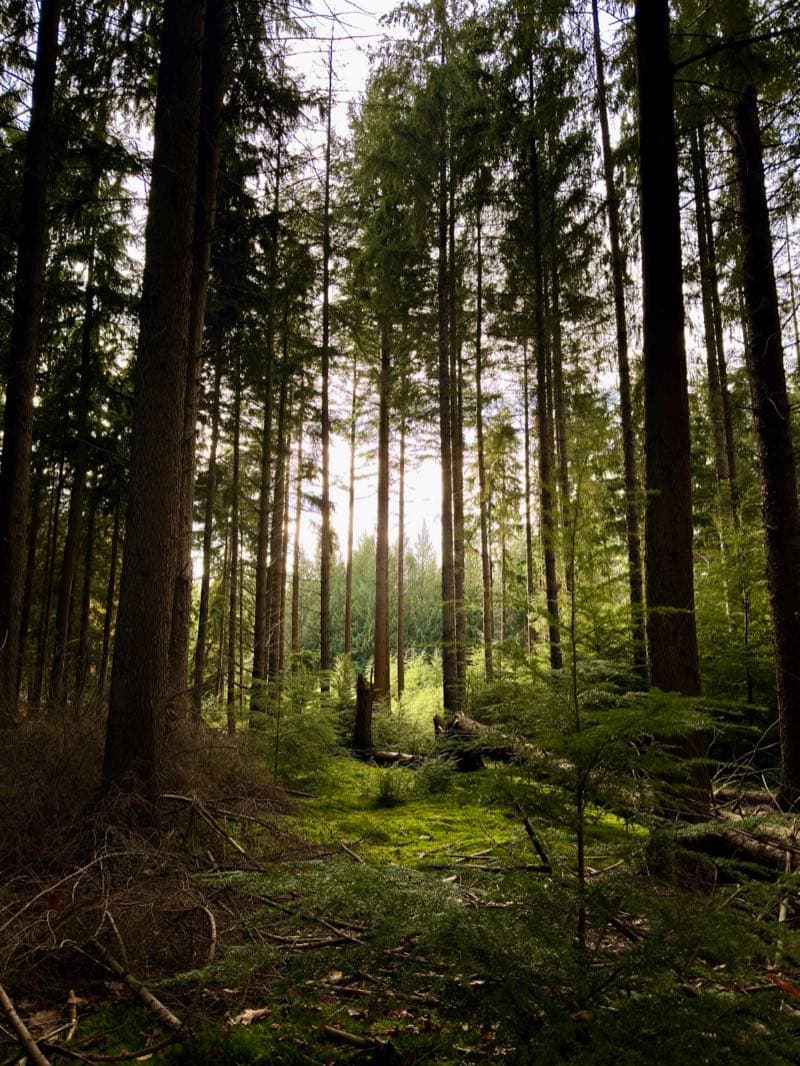
The farm includes 24 hectares of productive forest. Spruce and pine dominate, with birch as a secondary species that diversifies the forest.
We manage the forest through continuous cover forestry with our forester Jussi Saarinen at Metsätietopalvelu Silmu. That means selective cutting rather than clearcutting. Individual trees are removed based on quality, spacing, and future stand value, with the aim of supporting the well-being and continuous growth of the forest. The canopy stays intact, an uneven age structure of trees develops naturally, and deadwood is retained to support habitat.
The result is a forest that generates periodic income, keeps its biodiversity, protects soil carbon, and stays accessible for the recreational use and needs of the farm and community.
0
hectares
Productive mixed forest
0
m³ standing volume
Spruce, pine, and birch
0
m³ annual growth
Under continuous cover forestry
Agroforestry
Design 2026 · Planting 2028
Agroforestry means integrating trees, shrubs, and perennial crops into working farmland. We are designing two systems that fit the farm's existing operations and build productive capacity over time.
Silvoarable
Rows of fruit, nut, and berry trees are planted on our egg pasture with wide alleys between the rows. Our hoop coops run in the alleys. The chickens fertilise the soil around the trees. The trees provide shelter and drop fruit for the chickens. We cultivate most of the planting stock ourselves through our own on-farm nursery.
Silvopasture
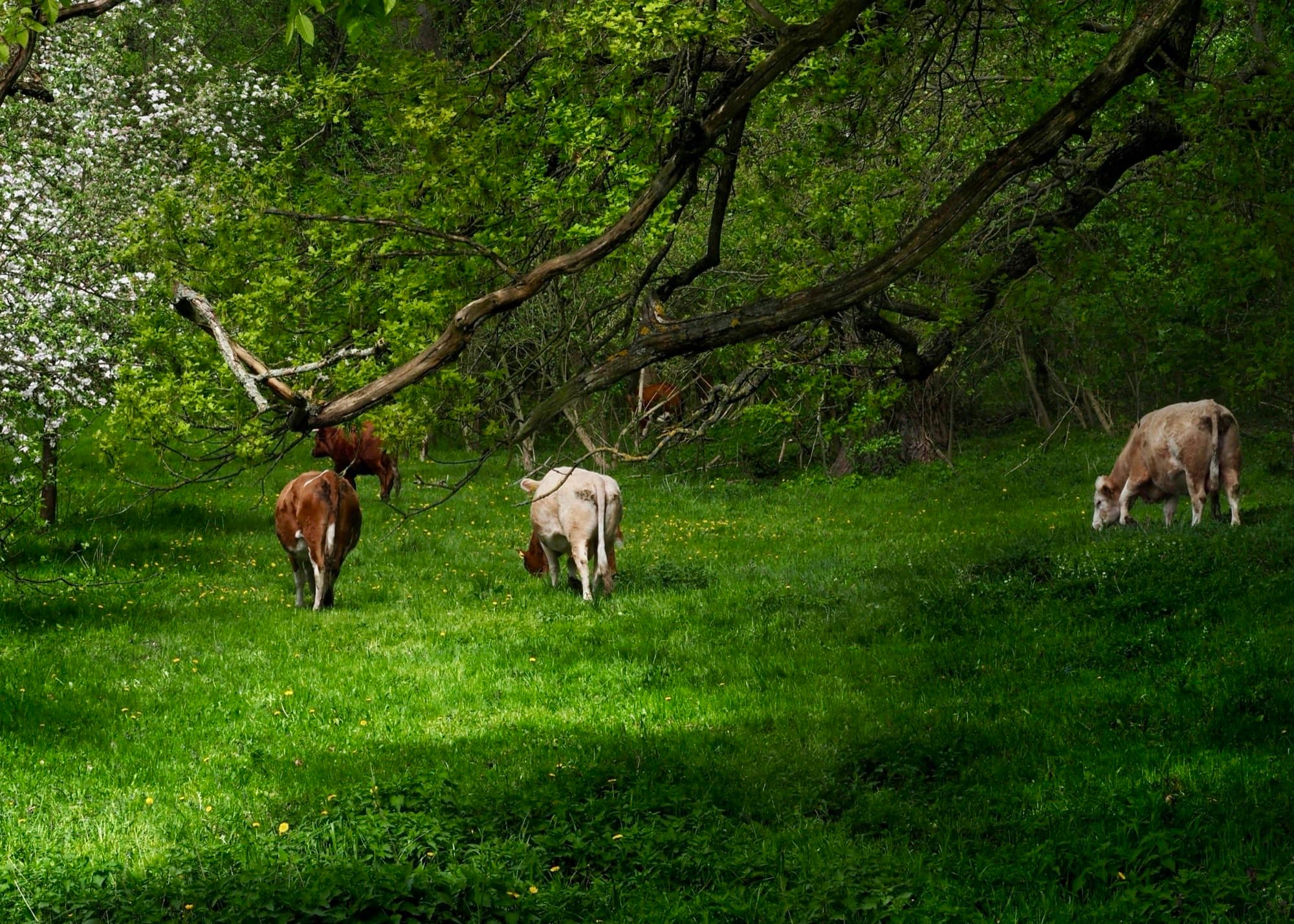
We are planning to bring cows into the existing forest and convert open field to silvopasture as the herd establishes. Trees are integrated with cattle grazing and the forest pasture provides shelter, browsing of food, and long-term biomass.
We are also exploring hedgerows and riparian zone improvements across the farm for improving the water quality and preventing land erosion.
A long-term investment in improving the land and its productive capacity
Work with us
Agroforestry in Nordic conditions is still at an early stage. There are not many farms in Finland designing silvoarable and silvopasture systems at this scale. That makes it interesting, and it means we are looking for people to think with.
If you work in agroforestry design, nursery propagation, soil ecology, or applied research in northern climates, we would like to hear from you. We are open to project partnerships, research collaborations, and advisory relationships.